Poland, like many countries around the world, is at a pivotal juncture in terms of transitioning its transportation infrastructure toward more sustainable solutions. As environmental concerns and the pressures of climate change intensify, the need to reduce dependence on fossil fuels becomes ever more critical. Alternative fuels present a promising avenue for transforming the transportation landscape in Poland, offering both economic and ecological benefits.
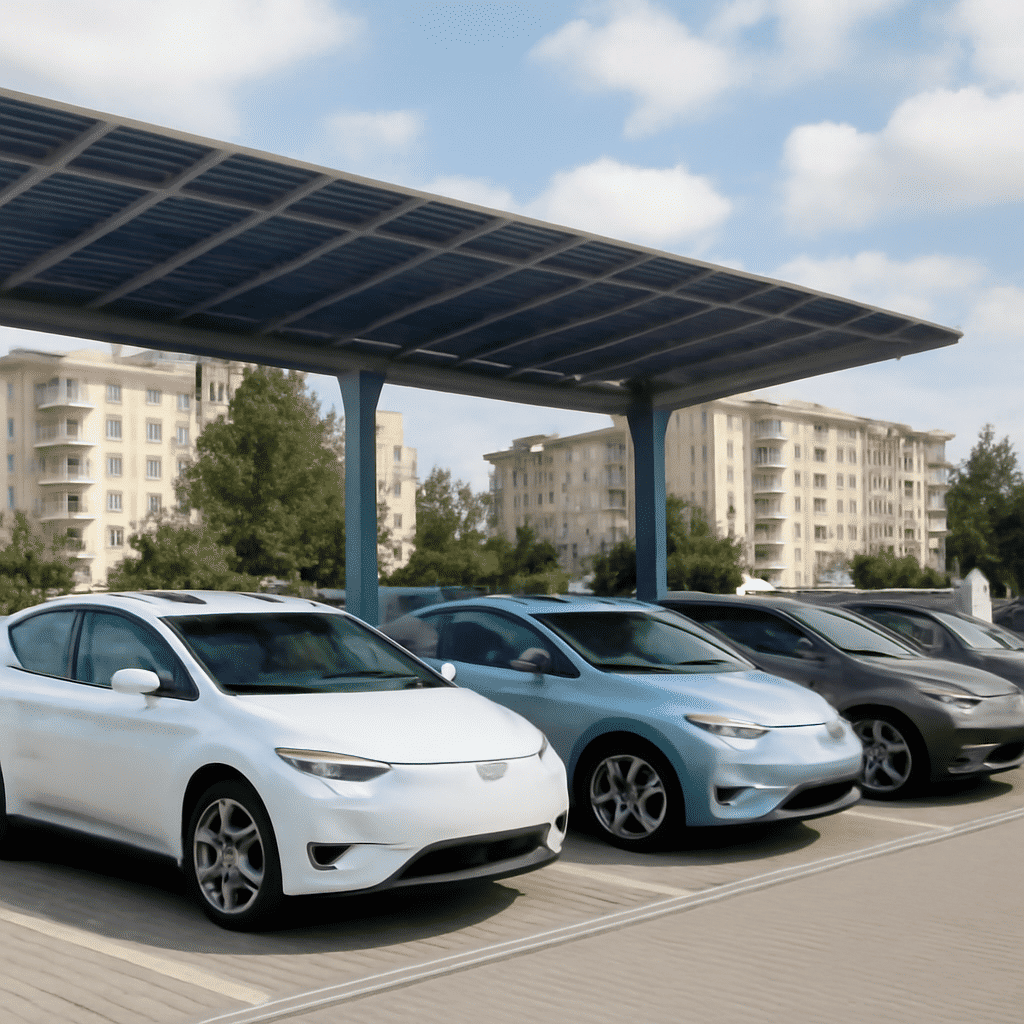
One of the most compelling alternatives to conventional gasoline and diesel in Poland is electric propulsion, supported by advancements in battery technology. The national government has recognized this potential, setting ambitious goals for the adoption of electric vehicles (EVs) and investing in the necessary charging infrastructure. By reducing emissions associated with internal combustion engines, electric vehicles can significantly decrease air pollution in urban areas, improving public health and contributing to a decrease in Poland's carbon footprint.
Beyond purely electric vehicles, hydrogen is emerging as a versatile and clean fuel. As part of the European Union's hydrogen strategy, Poland is positioned to become a key player in the hydrogen economy. Hydrogen fuel cells offer a zero-emission alternative for vehicles, especially for heavy-duty transport modes like buses and trucks, where battery solutions may prove less efficient. Poland's rich history in chemical industry expertise positions it uniquely to capitalize on producing green hydrogen from renewable sources, which would create jobs and propel the nation as a leader in sustainable transport technology.
Biofuels also hold considerable promise for Poland's transportation future. Produced from organic materials, such as agricultural waste or specially grown energy crops, biofuels can readily replace conventional fuels with minimal modifications to existing vehicle infrastructure. The cultivation and processing of biofuels can stimulate the Polish agricultural sector and reduce dependency on imported oil, providing a reliable and renewable energy source. Moreover, the circular nature of biofuel production contributes to better waste management practices and further reduces environmental impact.
Natural gas, especially in the form of compressed natural gas (CNG) or liquefied natural gas (LNG), presents another alternative for Poland. It can serve as a transition fuel, offering lower emissions compared to traditional fuels, while the country expands its capabilities in renewable energy sectors. Poland's existing gas infrastructure and its geopolitical strategies to diversify its energy sources align well with an increased use of natural gas in transportation.
The shift to alternative fuels in Poland also dovetails with broader European Union objectives aiming for carbon neutrality by 2050. This transition isn’t just about swapping one fuel for another; it's an opportunity to innovate the entire transportation ecosystems, including smarter logistics, intelligent grid systems, and multimodal transport networks.
However, for Poland to maximize the potential of alternative fuels, coordinated efforts are required. Investments in research and development, legislative support for sustainable energy, and fostering public-private partnerships will be crucial. Public awareness campaigns to educate stakeholders about the benefits of alternative fuels will also drive consumer acceptance and adoption.
In summary, the adoption and development of alternative fuels represent a beacon of hope for a sustainable future in Poland's transportation sector. By embracing technologies such as electric mobility, hydrogen fuel cells, biofuels, and natural gas, Poland can pave the way for a cleaner, healthier environment and demonstrate leadership in the global transition to sustainable energy. The shift promises not only to reduce environmental impact but also to invigorate the economy by positioning Poland at the forefront of green transportation innovation.