Poland, traditionally reliant on coal, is charting a new course towards sustainability with an emphasis on renewable energy. This shift is not only crucial for environmental reasons but also essential for the country's energy security and economic resilience.
Historically, coal has been the backbone of Poland's energy sector, accounting for over 70% of its electricity generation. However, the environmental impacts, including significant greenhouse gas emissions and air pollution, have necessitated a shift. In recent years, Poland has begun to embrace renewable energy as a viable and sustainable alternative.
The transition to renewable energy is driven by both internal and external factors. The European Union's climate policies and goals for reducing carbon emissions have been influential in shaping Poland's energy strategy. As a member of the EU, Poland is committed to reducing its carbon footprint and has set ambitious goals to increase its share of renewable energy in the national energy mix.
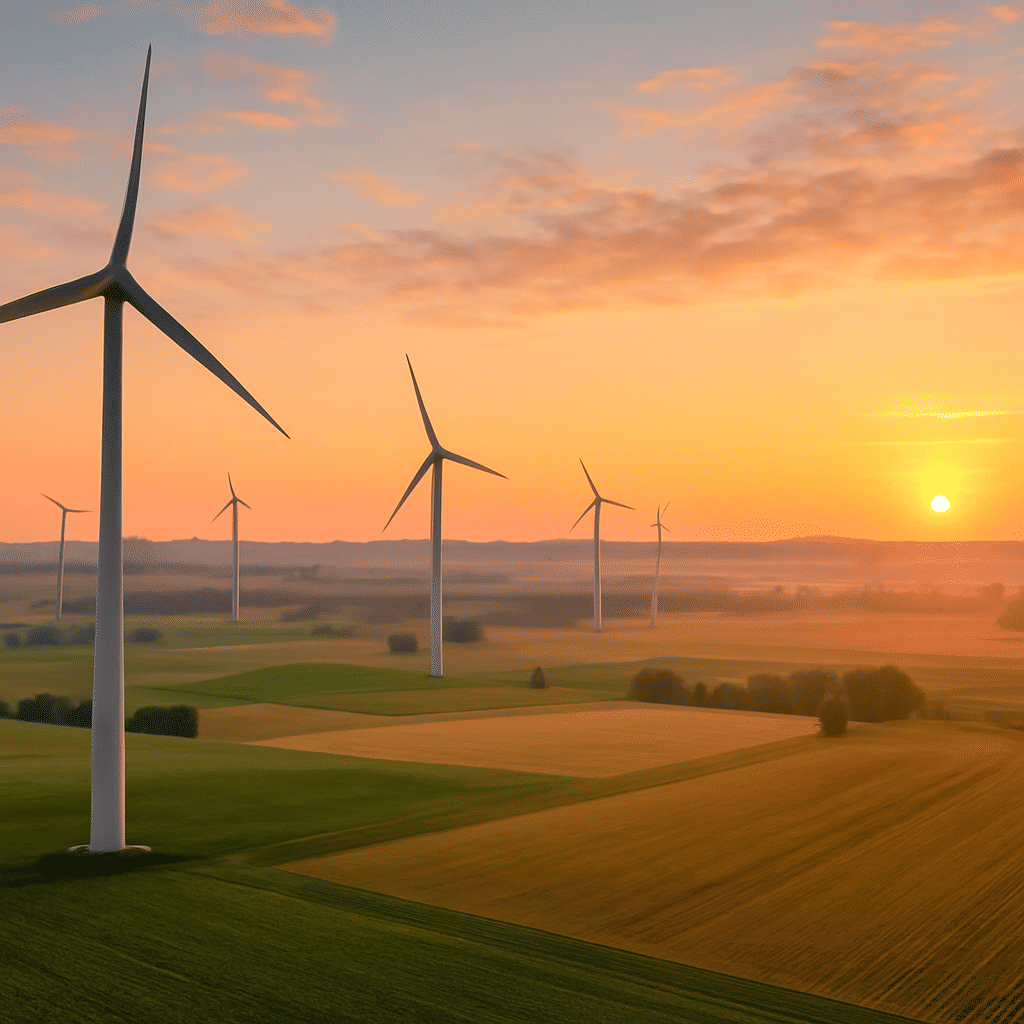
Poland's geography offers substantial opportunities for renewable energy development. The northern and western regions of Poland are ideal for wind energy, with the Baltic Sea coast providing excellent conditions for offshore wind farms. In fact, Poland has begun investing heavily in both onshore and offshore wind energy projects. The government has set targets to develop at least 11 GW of offshore wind capacity by 2040, which would significantly boost the nation’s renewable energy output.
Solar energy also presents a promising frontier for Poland. The costs associated with solar power have decreased significantly, making it an attractive option for homeowners and businesses alike. Poland’s solar sector is experiencing rapid growth, with numerous projects underway aimed at harnessing the potential of photovoltaic systems.
Biomass is another area with considerable potential. Poland's extensive agricultural and forestry sectors provide an ample supply of biomass that can be converted into energy. By utilizing biomass, Poland can reduce waste and further diversify its renewable energy portfolio.
One of the key drivers of Poland's renewable energy transformation is the need for energy security. By reducing its dependence on imported fossil fuels and diversifying its energy sources, Poland can enhance its energy independence. This is especially important given the geopolitical tensions in the region that can affect energy supplies.
Investment in renewable energy is also creating economic opportunities. The development of new technologies and infrastructure is leading to job creation in sectors such as manufacturing, installation, and maintenance of renewable energy systems. These economic benefits, coupled with a cleaner environment, make the case for renewables even stronger.
Challenges remain, including the need for a robust regulatory framework and grid infrastructure improvements to accommodate the rise in renewable energy sources. Additionally, there is a need for continued investment and innovation to enhance the efficiency and storage capabilities of renewable energy systems.
Nevertheless, the momentum is building. Poland’s commitment to renewable energy not only represents a positive environmental strategy but also positions the country as a forward-thinking participant in the global move towards sustainable energy solutions. As Poland invests in renewable energy, it is investing in a cleaner and more sustainable future for its citizens and the planet.