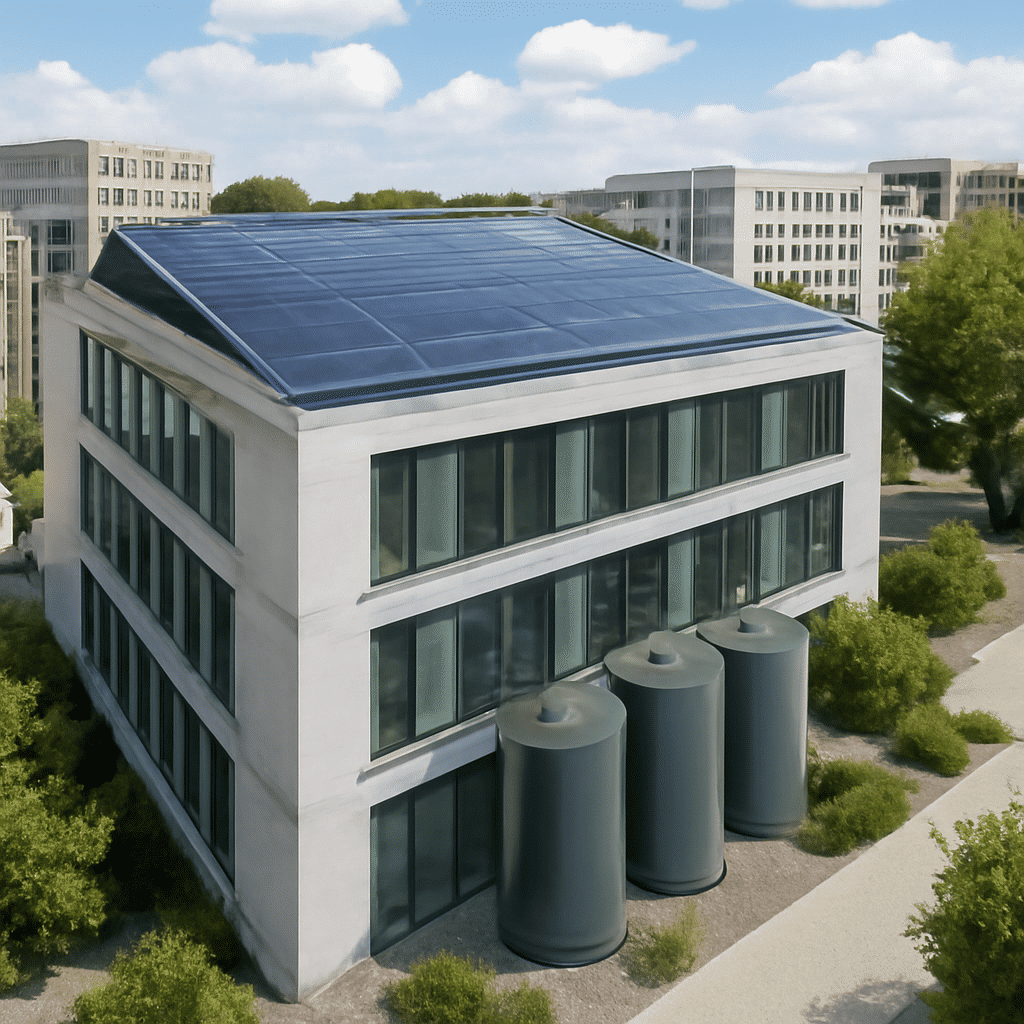
In an era where sustainability and environmental responsibility are becoming paramount, businesses are increasingly seeking ways to reduce their environmental footprint. One critical area where companies can make a significant impact is water conservation. Reducing water consumption not only helps the environment but also offers significant cost savings for businesses. Here are some effective water-saving strategies that can help companies achieve these goals.
1. Conduct a Water Audit
To effectively manage water use, businesses should start by conducting a comprehensive water audit. This involves assessing current water usage and identifying areas where water can be conserved. By understanding patterns and pinpointing inefficiencies, companies can develop targeted strategies for reduction.
2. Invest in Water-Efficient Technology
Adopting advanced technology is a straightforward approach to reducing water usage. Installing water-efficient fixtures such as low-flow toilets and faucets, and motion-sensor taps can drastically cut water usage. Many industries, including manufacturing, are also upgrading to water-efficient machinery that reduces waste while maintaining output.
3. Implement a Recycling and Reuse Program
Recycling and reusing water is a powerful way to conserve resources. Companies can treat and reuse water for various purposes such as irrigation, cooling, and sanitation processes. Greywater systems and rainwater harvesting setups capture and redirect water that would otherwise go to waste, contributing significantly to water conservation efforts.
4. Optimize Cooling Systems
Cooling systems are notorious for their water use, especially in sectors like manufacturing and data centers. Optimizing these systems to use less water, or switching to air-cooled systems where possible, can greatly reduce a company's water footprint. Regular maintenance checks will ensure systems are running efficiently without leaks or unnecessary wastage.
5. Employee Education and Engagement
A culture of conservation can be fostered through employee education and engagement programs. Training staff to be mindful of water use and encouraging them to participate in conservation efforts can lead to significant savings. Initiatives might include simple actions like reporting leaks or turning off taps, as well as more prescriptive measures aligned with corporate sustainability goals.
6. Sustainable Landscaping
For businesses with sizable outdoor spaces, sustainable landscaping can offer significant water savings. Xeriscaping, or selecting plants that require minimal water, can drastically reduce the need for irrigation. Incorporating smart irrigation systems that adjust based on weather conditions can further enhance efficiency.
7. Monitor and Adjust
Continuously monitoring water usage and adjusting strategies is crucial for sustained success. Leveraging technology for real-time data collection and analysis can help companies identify trends, monitor improvements, and quickly address any inefficiencies. Constant vigilance ensures that water-saving measures continue to be effective over time.
8. Partner with Water Saving Experts
Sometimes, the best way to save water is to partner with experts who specialize in water conservation. These professionals can provide specialized insights and tailored solutions, making it easier for businesses to achieve their goals. They can also assist in navigating regulatory requirements and accessing incentives for water-saving innovations.
Conclusion
By implementing these water-saving strategies, businesses can play a significant role in protecting our precious water resources while achieving substantial cost savings. As corporate responsibility increasingly focuses on sustainability, these measures not only improve operational efficiency but also enhance a company's reputation as an environmentally conscious entity. With thoughtful planning and dedicated implementation, businesses have the opportunity to lead the way in water conservation, inspiring other sectors to follow suit.